


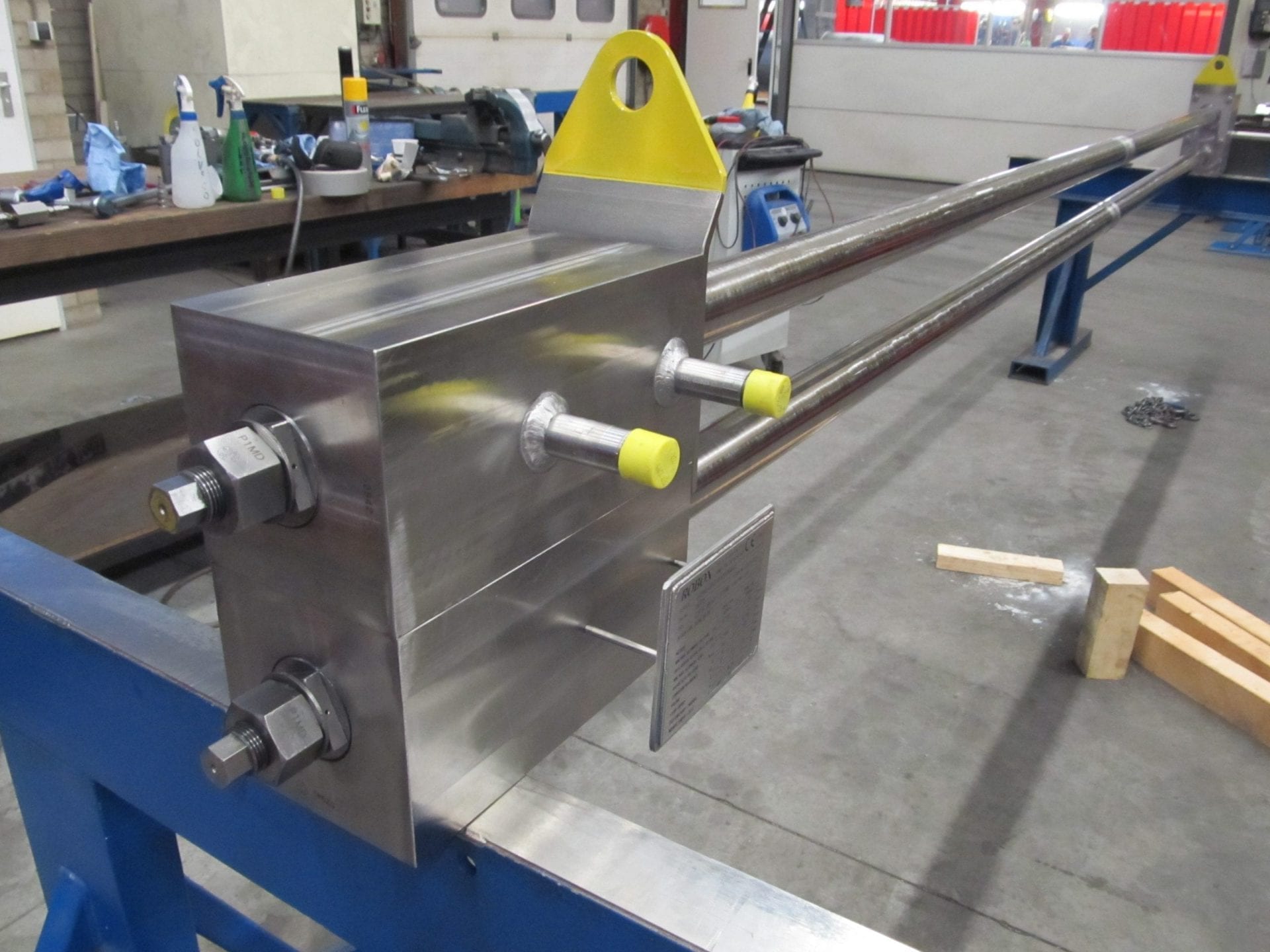
The supersludge project is a highly innovative project in which sewage sludge is stripped of harmful components. This is achieved through a process in which the sludge is treated in a supercritical state. This allows the harmful substances to be removed. The entire installation consists of several components such as a pump, heat exchangers, and vessels.
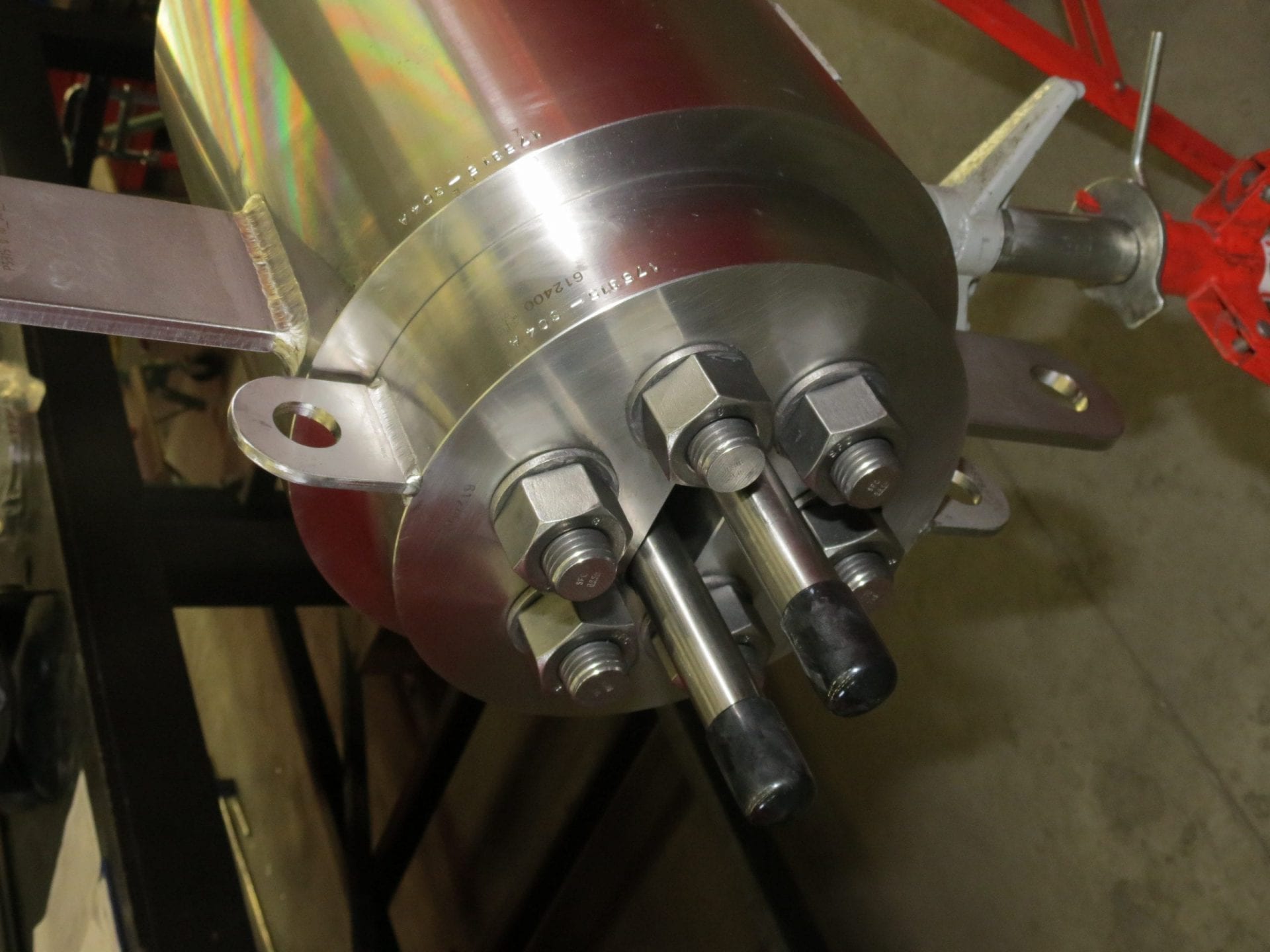
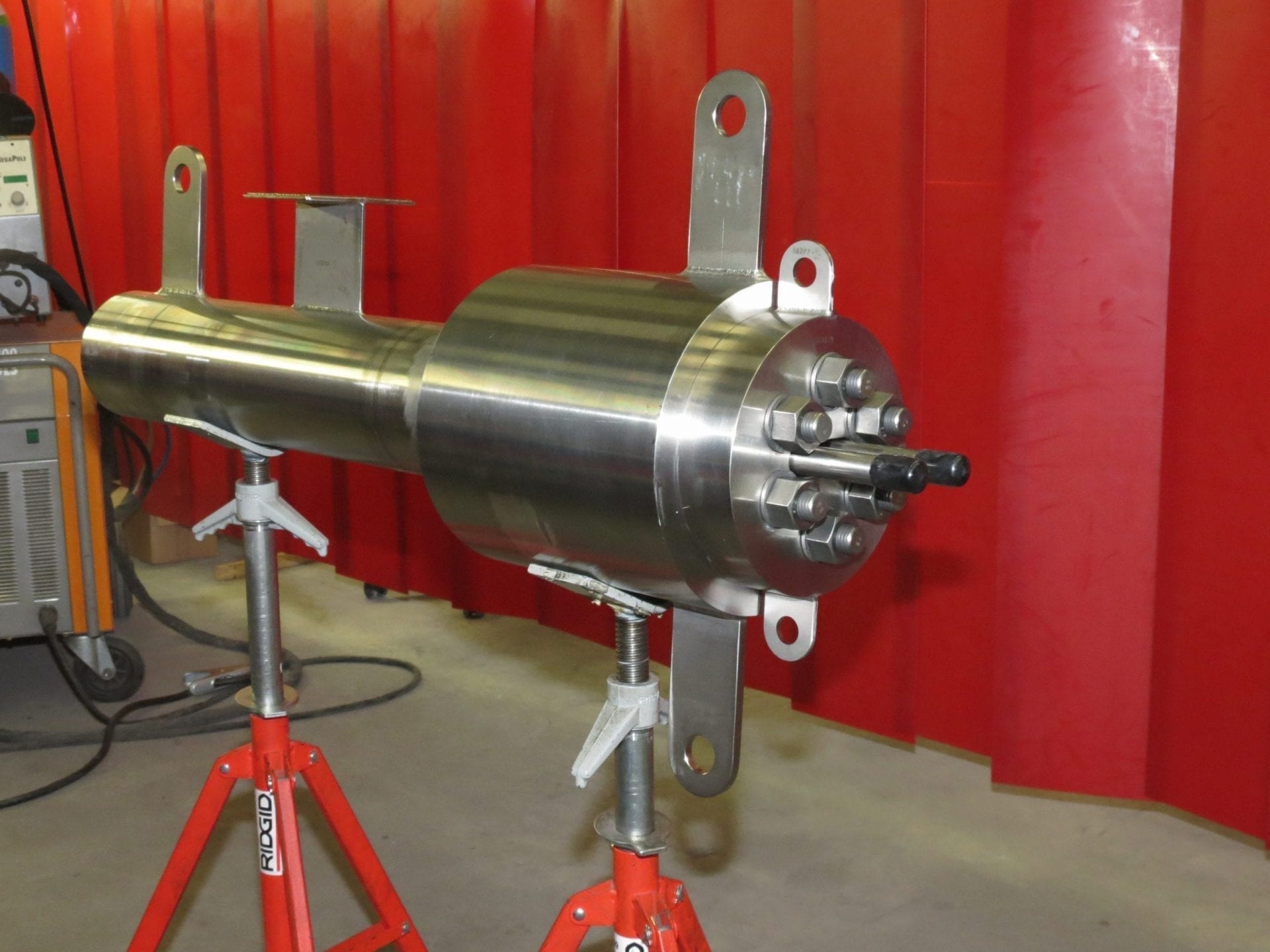
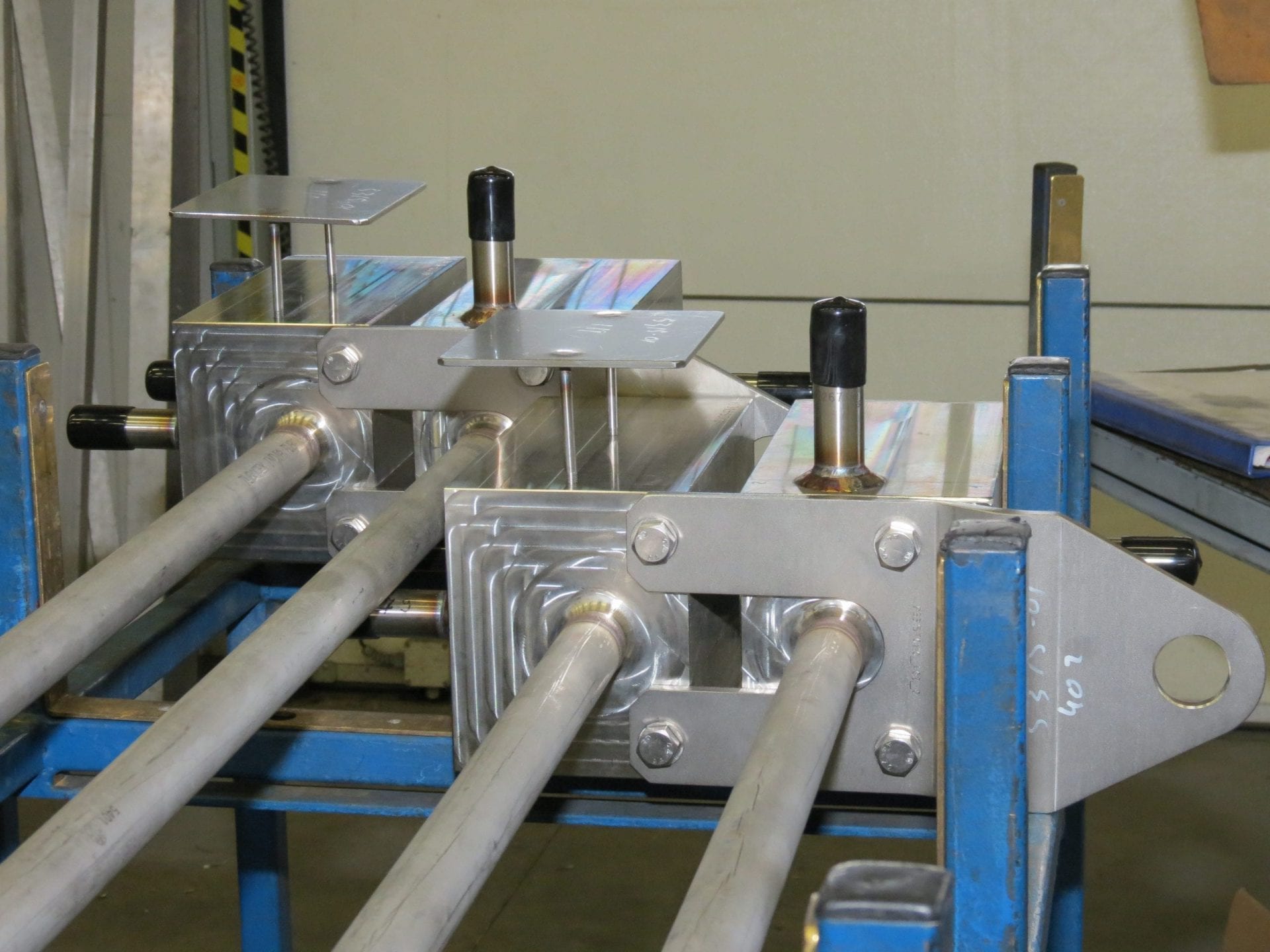
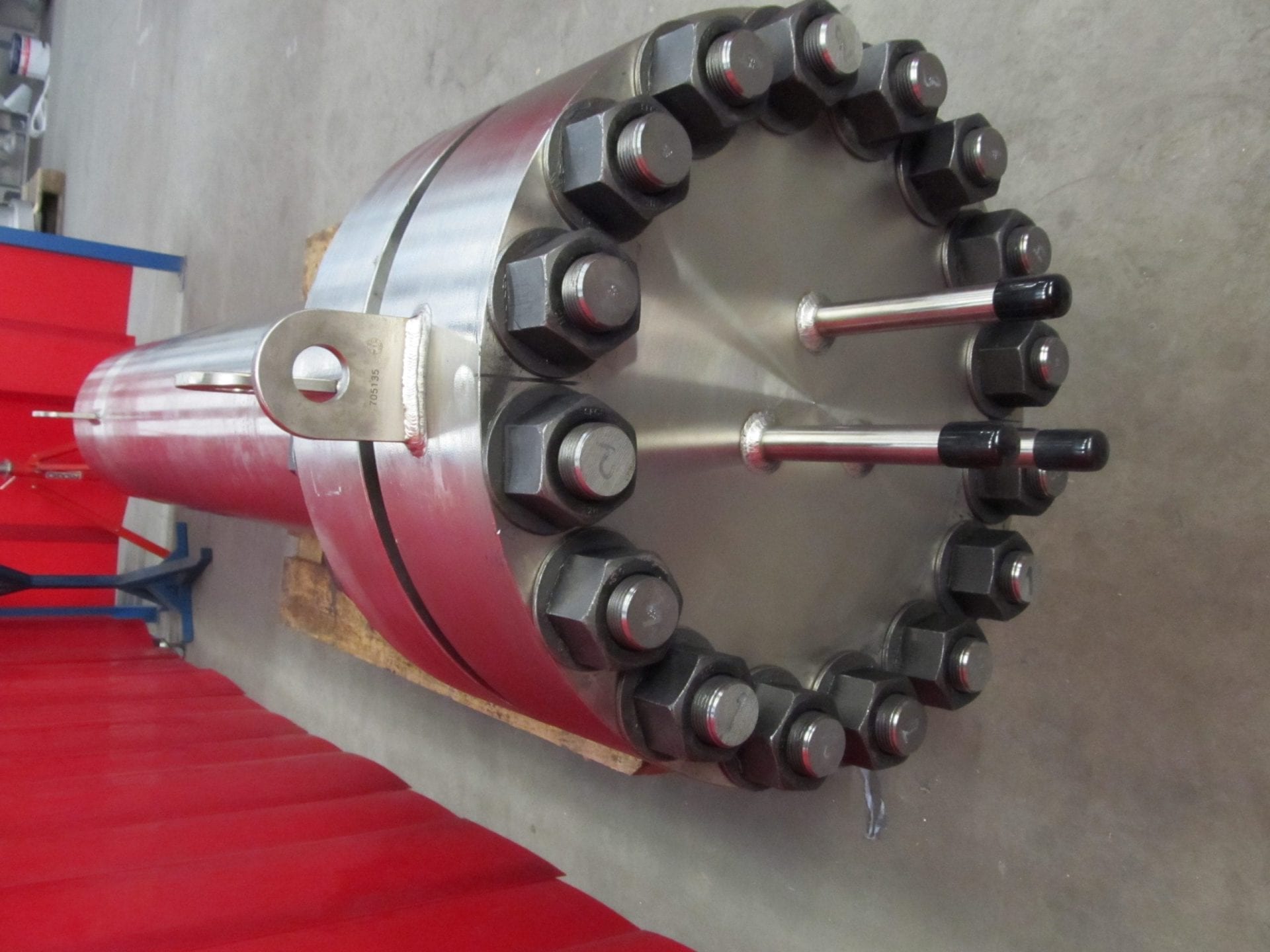
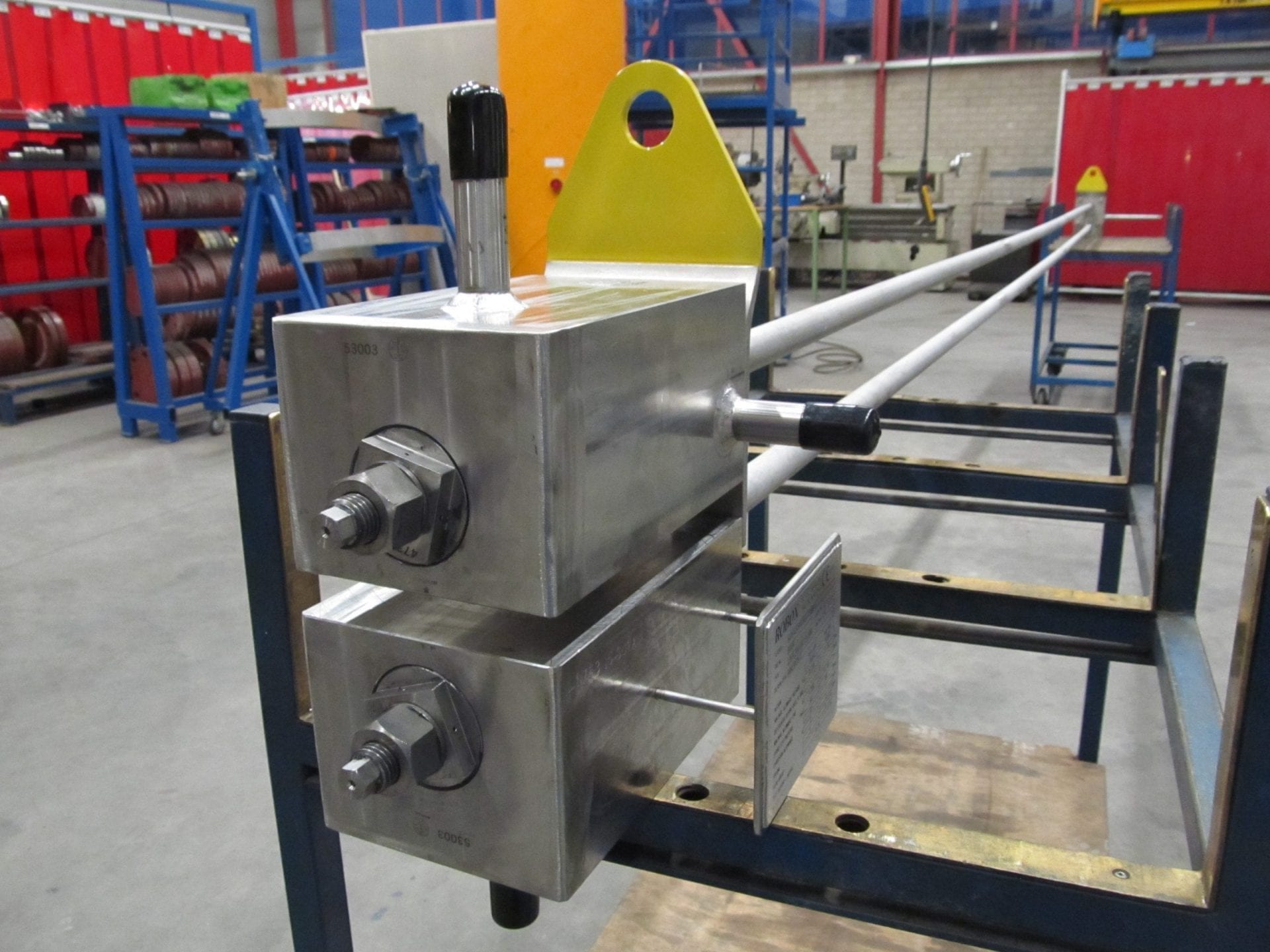
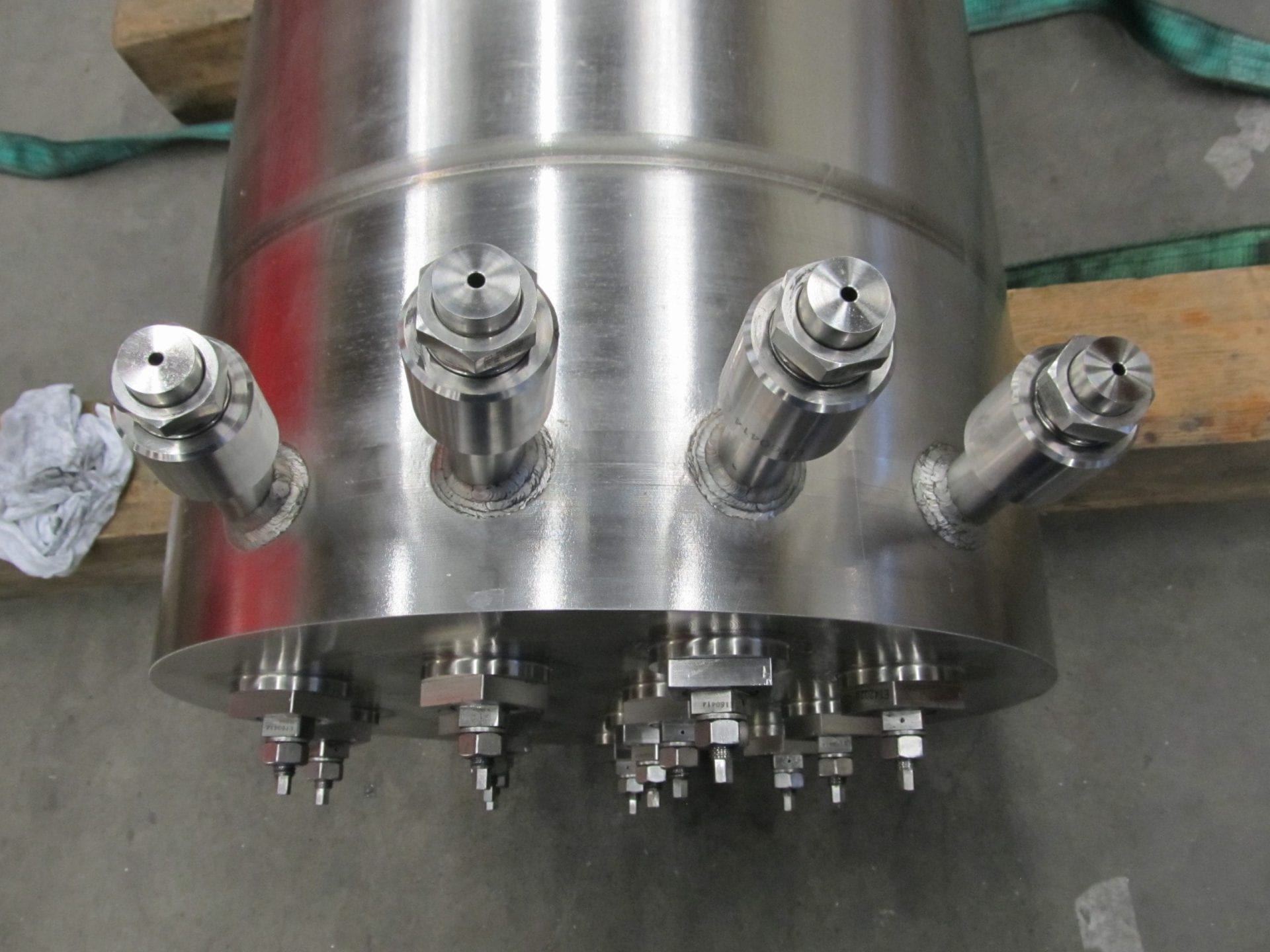
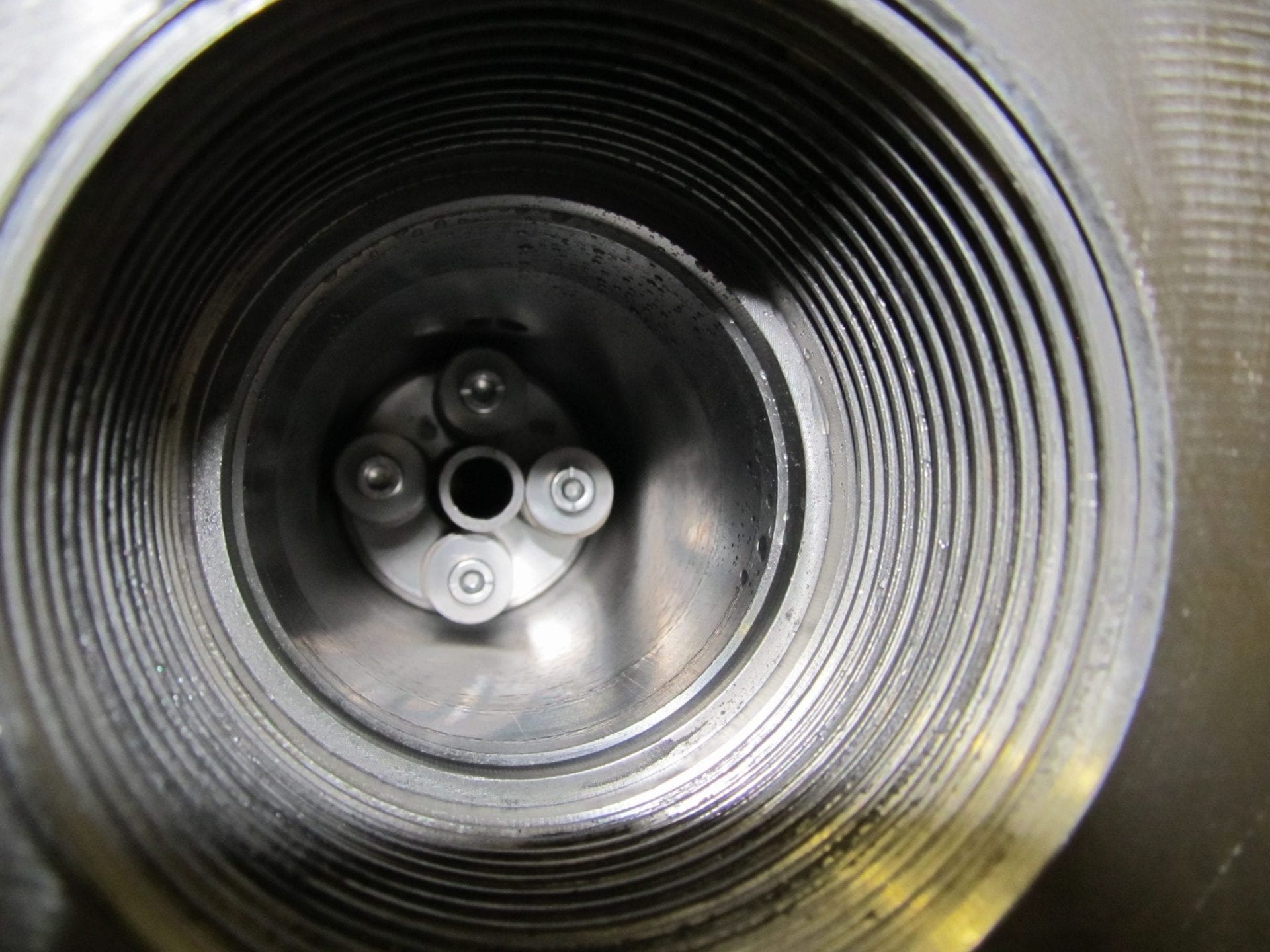
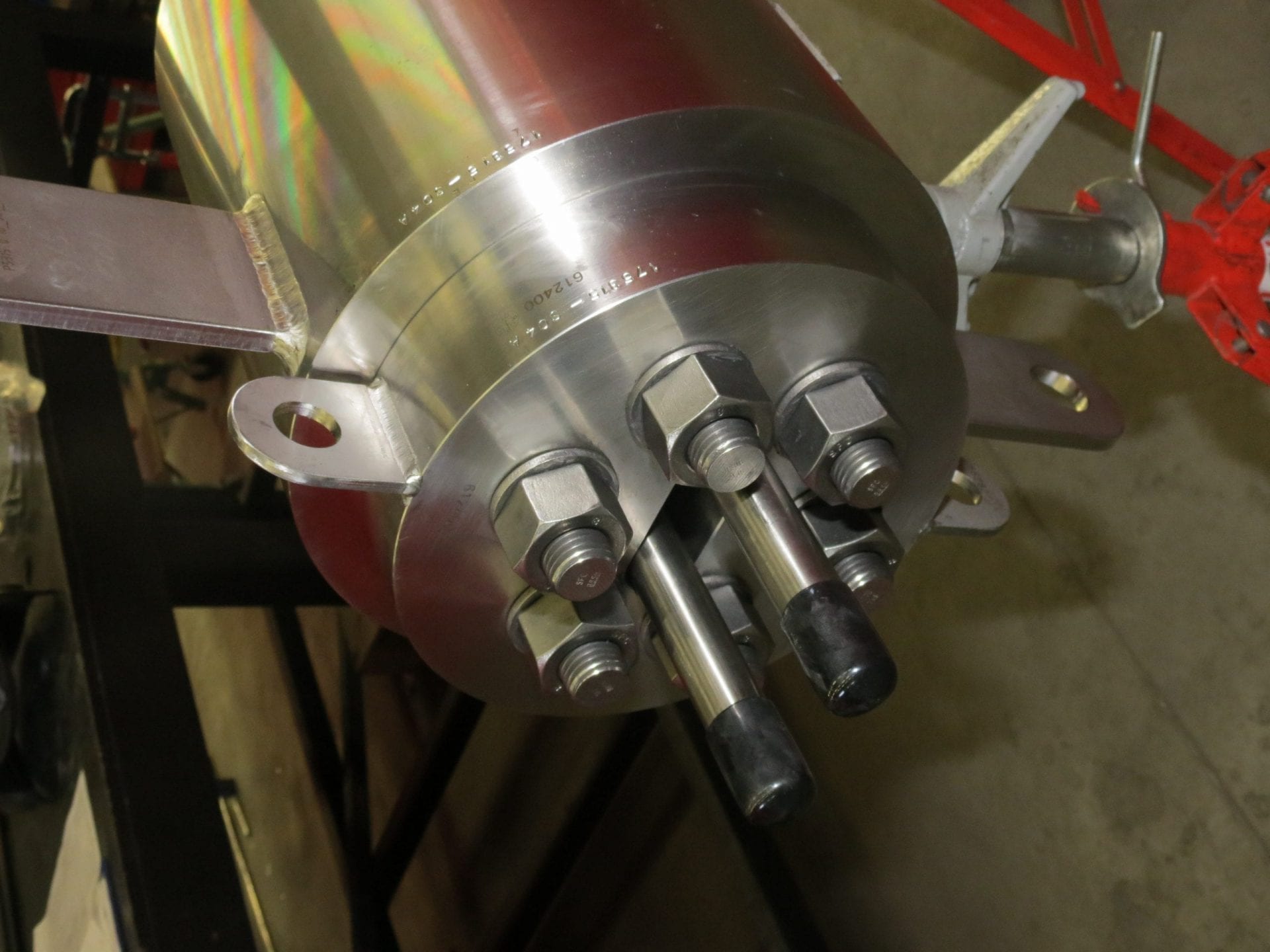
In the sludge heat exchanger, heat is recovered by preheating the incoming sludge with the outgoing flow. This is a double pipe heat exchanger. Subsequently, the sludge is brought to an even higher temperature in the heater reactor vessel, after which the reaction takes place in the reactor vessel. The flash vessel and the cyclone are also part of the overall process. These are all vessels. The flash vessel and the cyclone consist of a bored-out forging with a special closure. The heater reactor and reactor are solid forgings with drilled channels. The heater reactor is provided with a groove on the outside containing an electric heater spiral.
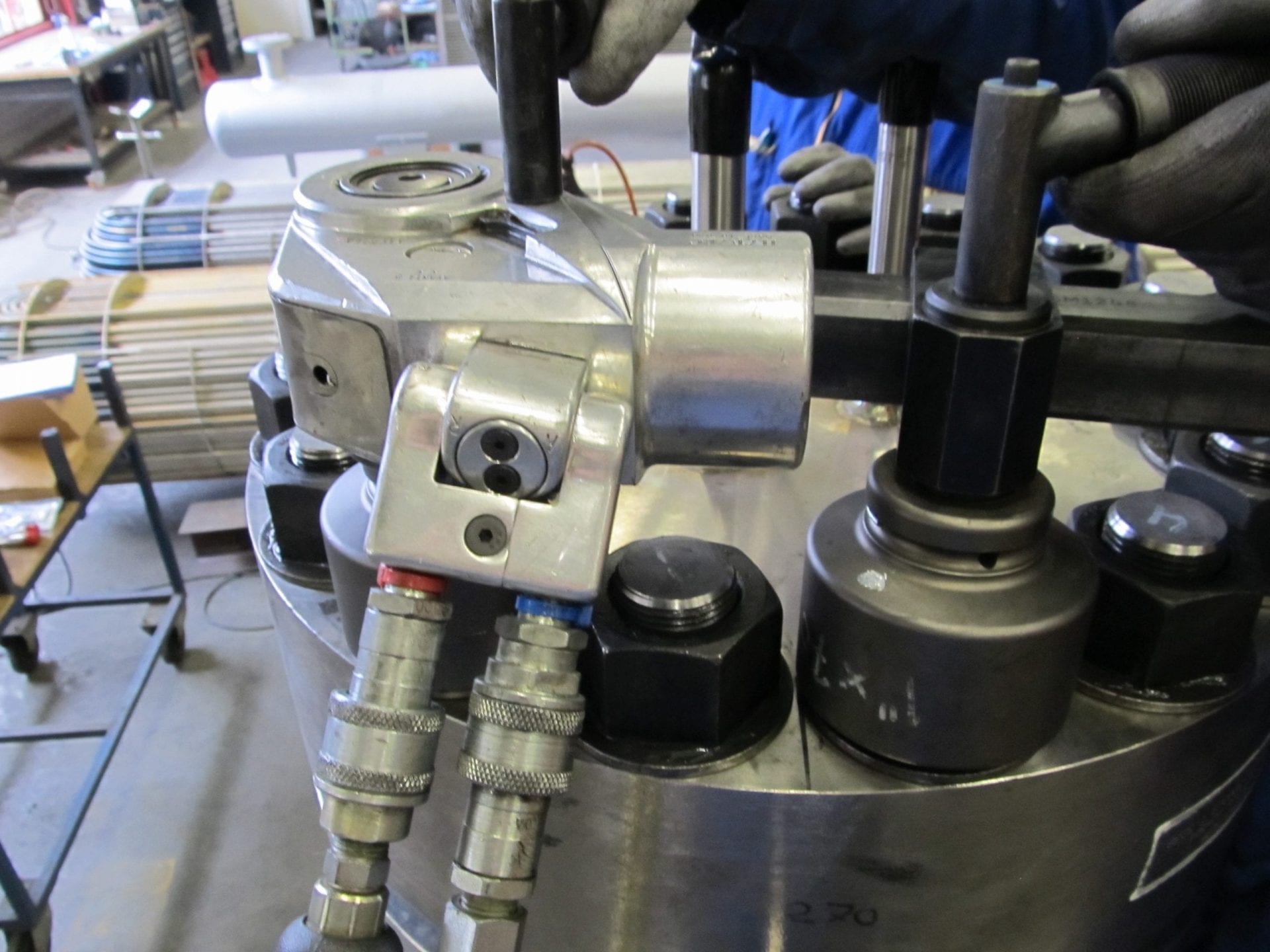
The supersludge project is highly innovative and has a major influence on the future processing of sludge. In this pilot, a full-scale installation is being built and tested. Because the sludge must be brought into a supercritical state, high pressure and high temperature are involved. This combination, together with the corrosive nature of the sludge, creates the challenge. The heater reactor was the most challenging component. Temperatures in the creep range of the material, high pressure, and the application of a spiral around the vessel made an FEM analysis necessary. The thermal-technical calculations were carried out in close cooperation with the client and the manufacturer of the spiral. Since it concerns a pilot plant where various parameters need to be measured and the sludge is considered highly fouling, accessibility and cleanability were requirements. Special high-pressure closures were designed for this purpose. Through excellent cooperation, pushing boundaries, and the ability to be innovative, the professionals at ROBOX have contributed to the realization of this project.
It concerns a series of double-pipe heat exchangers and a number of vessels. Entirely or partially in standard stainless steel or temperature-resistant stainless steel. According to PED cat. III and IV and Mod. H/H1. Design code ASME VIII Div.1 supplemented with FEM analyses where necessary. Designed for 350 barg and temperatures up to 672°C